Plotly Cloud: Always-on apps, publish from dev tools, and Teams first look

Thank you to the Plotly Studio, Plotly Cloud, and Dash community for adoption and excitement around Plotly Cloud! We’re really excited with the product and to see the great apps published over the first 6 months of Cloud — but that’s for another post. Let’s take a look at the most exciting new features in Cloud from this fall.
Looking forward to the new year, we’re laser-focused on our goal to make it more accessible, more efficient, and more fun to publish and share your Plotly Studio and Dash apps.
This fall, we’ve been focused on a few key priorities:
Better sharing with the community and with your colleagues
Deeper ecosystem integration with Dash and Plotly Cloud
Expanded support for publishing Dash apps without code or file changes
As we close out the year, we’re excited for our next frontier: Organization support for Plotly Cloud. Organization support is rolling out in early access in January, and we want your feedback. You’ll see a demonstration of the new functionality at the end of this update, and if you think you’re a good fit for the early access program, please reach out to learn about how you can get involved.
Happy holidays, and happy building 🚧 🏗️ with Dash and Plotly Studio.
📣 Plotly Cloud apps now wake automatically on view
Previously in Plotly Cloud, apps would shut down after 7 days on the free tier. Unfortunately, this made sharing apps with colleagues and showcasing apps with the community difficult or impossible, as the apps would become unavailable after just a few days.
We’re now introducing app wake directly in apps, so when you share an app on LinkedIn, Slack, or Microsoft Teams, you don’t need to worry about the app shutting off and becoming inaccessible to your viewers.
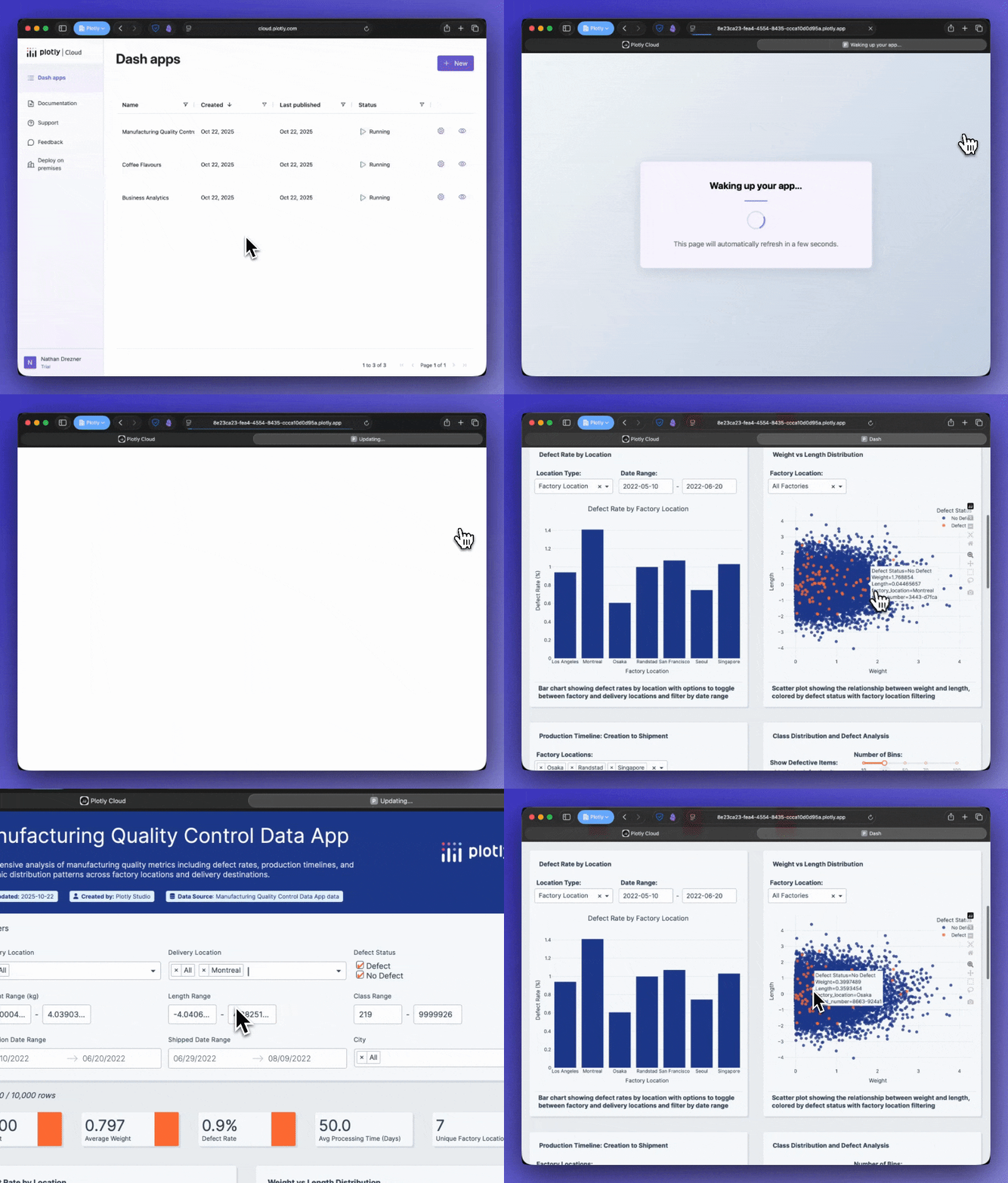
We’re really excited to open the doors for better social and community sharing for Plotly Studio and Dash projects shared on Cloud.
📣 Publish to Cloud, directly from Dash
If you’re working in Dash locally, you can now publish to Cloud right from the developer tools. Get started with:
pip install "dash[cloud]"to add the Plotly Cloud extension. Once added, you can log in and manage your app deployments as you develop, keeping your live app in sync with your development flow. You can keep track of app status, quickly jump to app settings, and access the live app without leaving your development environment.
📣 “It just works” publishing
A core goal of Cloud is that if a Dash app works locally, it should work on Cloud with no code changes.
We’re working hard to make this vision a reality, and have introduced a handful of improvements this fall.
Custom entry points
It’s now possible in Cloud to pick your main file with drag+drop upload. This means if you’re working on an app with a non-standard entry point, it’s easy to configure that during your app upload step.
Your entry point is the name of the file you use to run your app — for example, when running python app.py, app.py is the entry point.
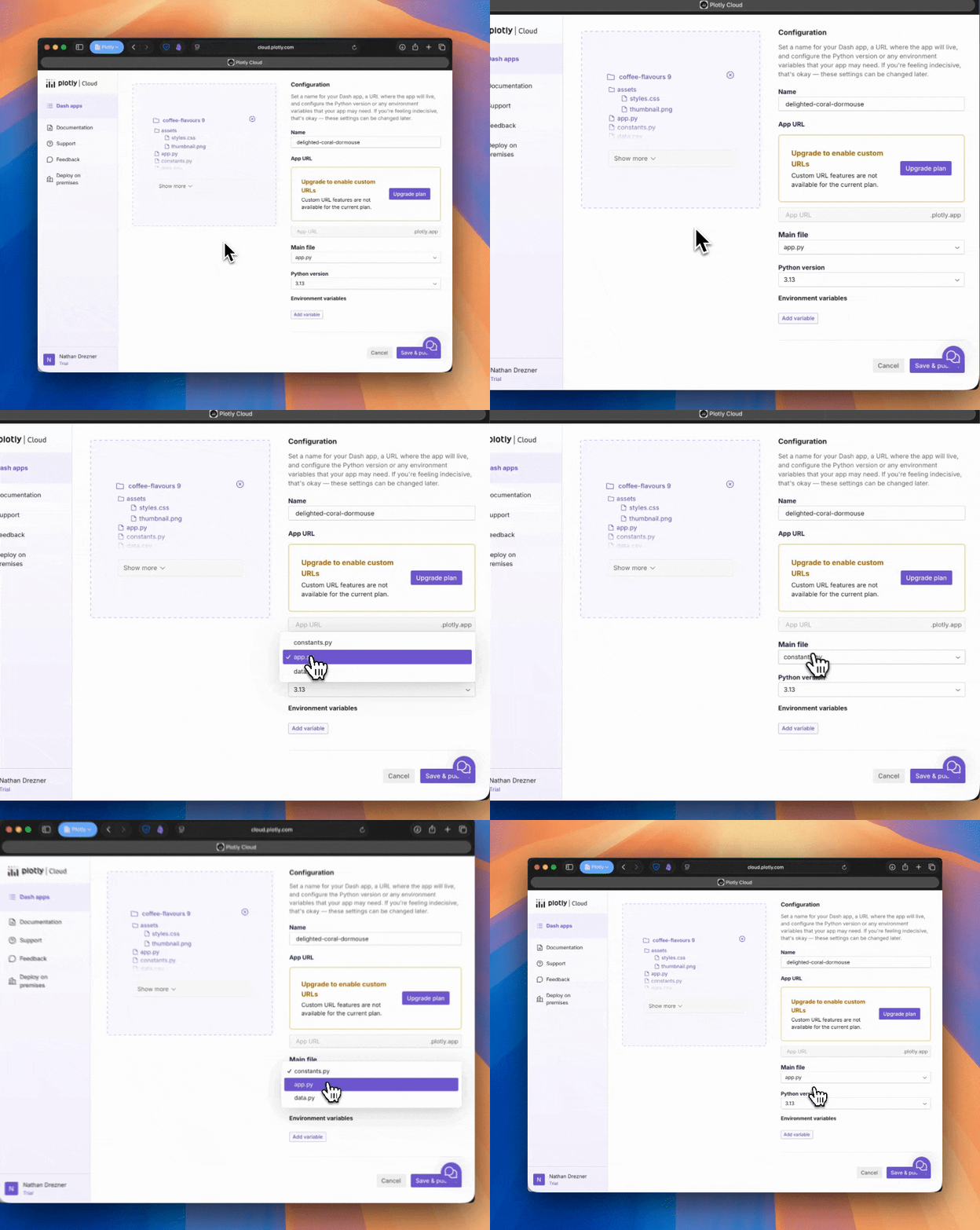
If you’re publishing with the devtools, Dash will automatically detect and set the correct entrypoint when publishing to Cloud, so you don’t need to think about it.
Automatic requirements detection
It’s no longer necessary to add a requirements.txt file to your app — if you upload the app file, Cloud will detect the dependencies for your app based on the import statements in the top of the file. This means you can quickly take a prototype and publish and share without having to manage dependencies.
Of course, pinned dependencies are crucial for many projects: If you use a requirements.txt, it will be recognized and used, and we now also support pyproject.toml for modern dependency specification.
Pick the path that suits your project best, and Cloud will manage the rest.
No code changes in your app to bring it to Cloud
We’ve added other quality of life improvements, like dropping the requirement to explicitly define a server variable in your app code, avoiding a common (and easily forgotten) code change required before publishing Dash apps.
As we bring the dream of seamless publishing of Dash apps closer to reality, we’re always looking for ways to improve. If you found your app “worked on your machine” but failed in Cloud, leave us feedback — hopefully we can ensure it just works the next time you upload, no code changes required.
Leave us feedback at roadmap.plotly.com.
Looking ahead: Organization support in Cloud
As we head into the holidays, the Plotly team has been hard at work building the next stage of Plotly Cloud: Organization support. We’ll be entering the new year with organization support in early access, and we’re looking for your feedback to help improve it before we launch into general availability.
Here’s a demonstration:
Plotly Cloud -- EA Public Demo - Watch Video
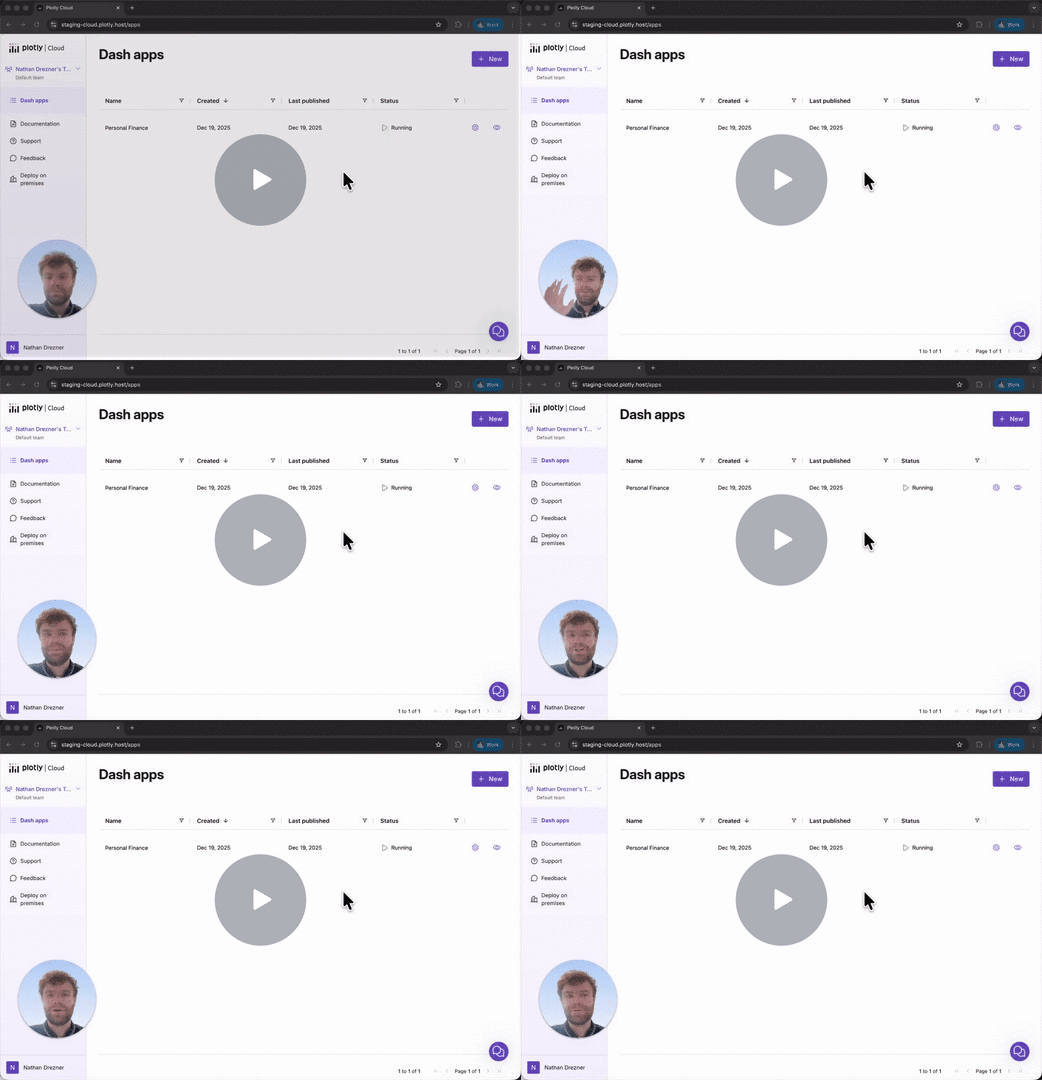
If you’d like to try out organization support before it launches publicly, reach out to Nathan Drezner, Product manager for Plotly Cloud, at nathan@plot.ly for more information. We can’t wait to see the kinds of collaboration organization support enables in Cloud and Studio.